30.06.2026
our adventures | the freiheit.com history
1999: It all started in a kitchen
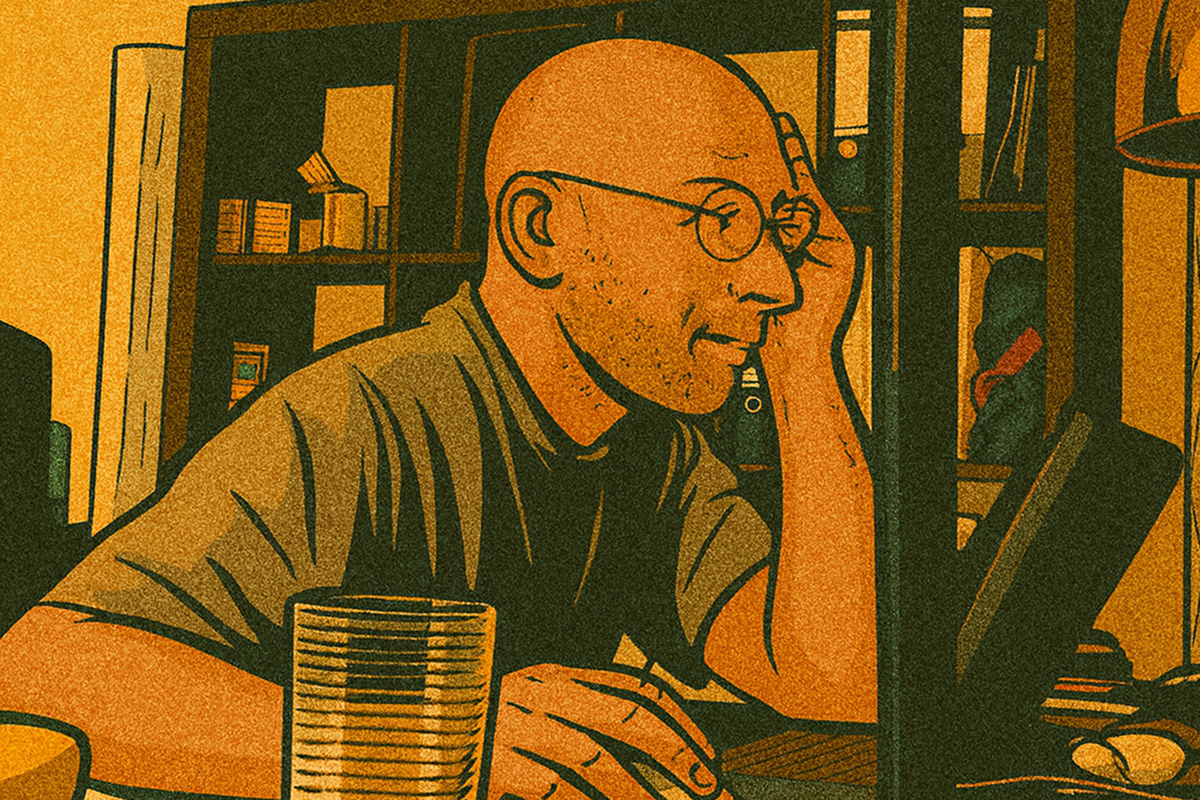
We founded freiheit.com in the middle of the late-nineties internet boom. Back then, the web felt like the digital Wild West – there was something new every day. We found ourselves in the middle of everything and with the idea to create something new too. Stefan was working as a software engineer and knew he wanted to build a company he actually wanted to work at.
While everyone around us was buying cool domain names, we were looking for one that still felt meaningful. That’s when we found freiheit.com – “freiheit” meaning “freedom” in German. For us, it was perfect: years of supporting free software and the wish to build a company where we could “do the right things right.” So the name stuck.
Officially, we say the company was founded in 1999 in Hamburg. In reality, we started on October 1st, 1998 – but 1999 just sounds cooler.
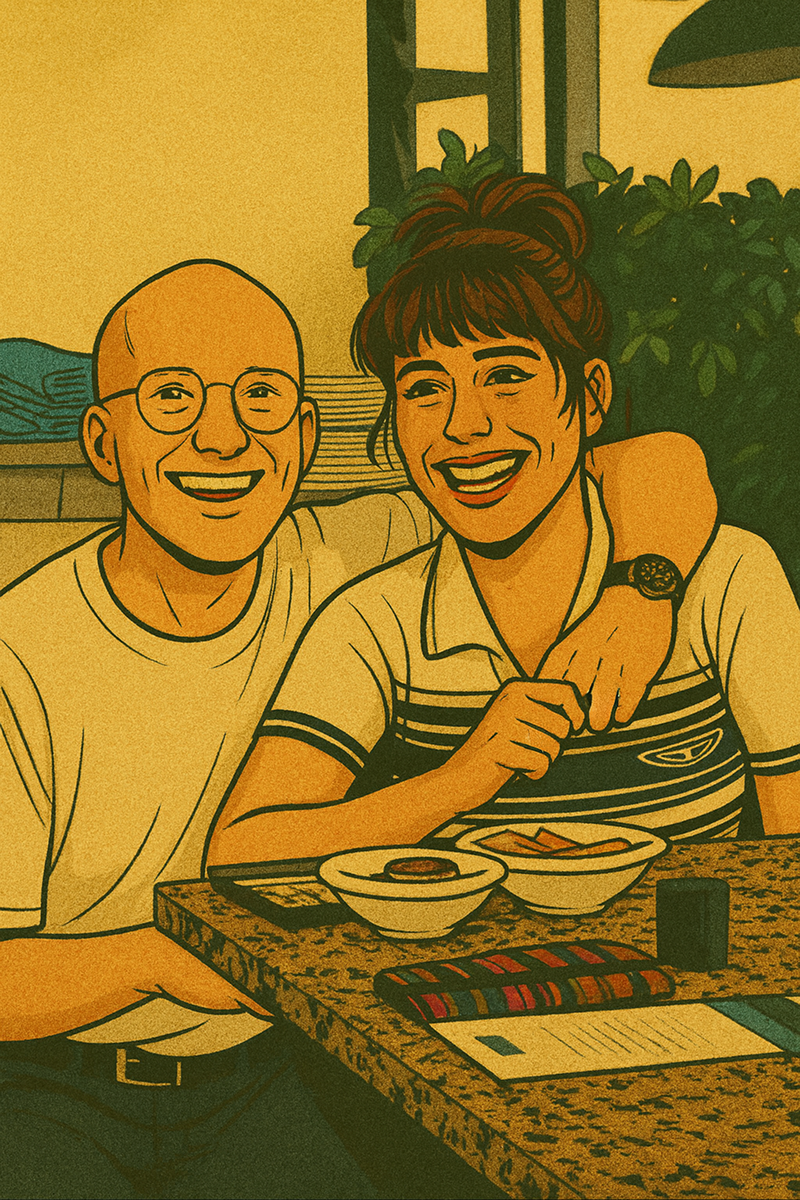
At the time, we, Claudia and Stefan, were a couple living together. Our apartment kitchen doubled as the first office. All the invoices lived in an old cigar box – until Claudia discovered them and proposed to take care of them. From that moment, she took over the business side, and in 1999, we officially combined strong engineering with strong business expertise.
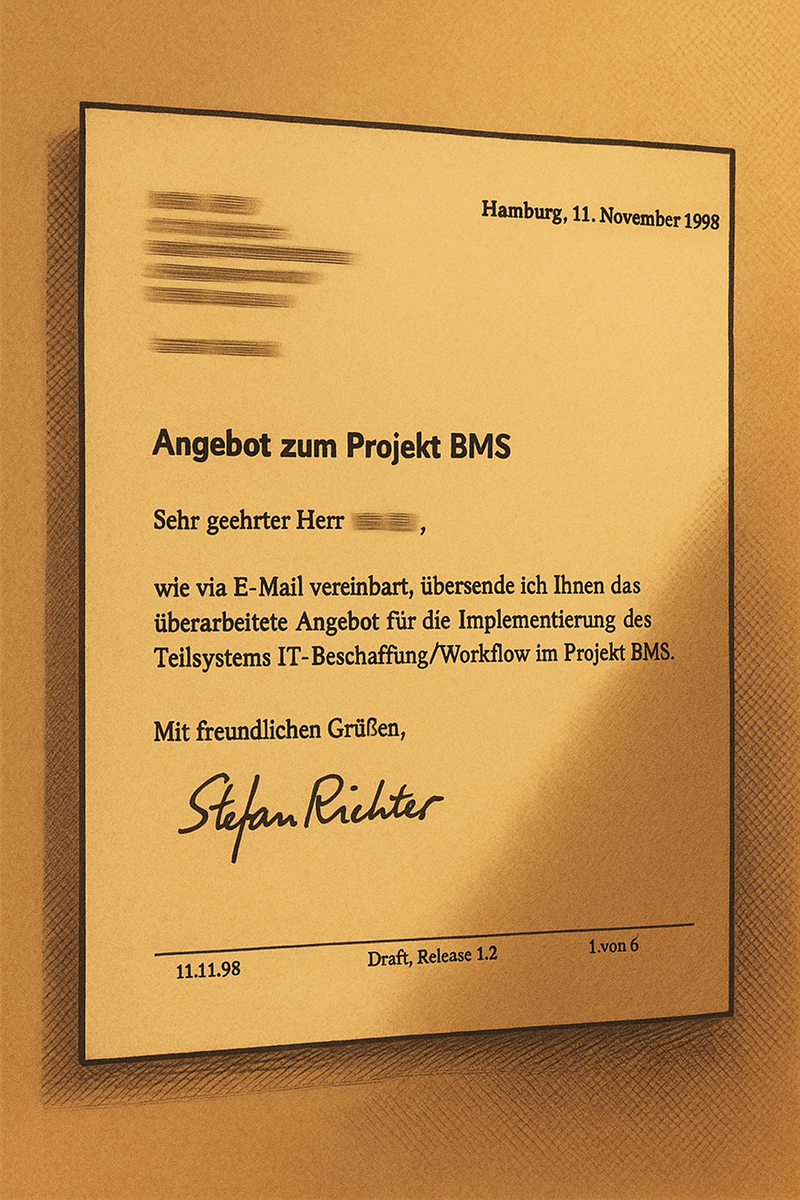
And with that, the journey began. Stefan had already worked with Daimler and convinced them of something that sounded unusual back then: Software should run in the browser.
This was not a thing at the time.
But they trusted him, and we built the first browser-based application for Mercedes-Benz, an ordering system that was rolled out across all plants in Germany. Daimler had just bought Chrysler, so Stefan flew to Auburn Hills with a small team to present the idea there as well. Nobody was doing anything like this at that time. Most people believed the internet would just become the next TV and be used mainly for entertainment. But we developed the concept, wrote the code, installed everything on-premises, and hired our first people – real bootstrapping.
Mercedes-Benz became our first major client. Not long after, the next opportunity arrived: travelchannel.de. We built a full travel booking platform for them, long before Expedia or Booking.com existed.
2000: The dot-com bubble bursts
Only one year later, the stock market crash resulted in a loss of almost $8 trillion of wealth worldwide. The internet boom exploded, but our clients were already making money with the software we had built for them. It was pioneering work back then; we were among the first German companies building e-commerce sites.
Many, many companies died, especially internet agencies, people and even some friends of ours lost everything. Paper millionaires going back to zero.
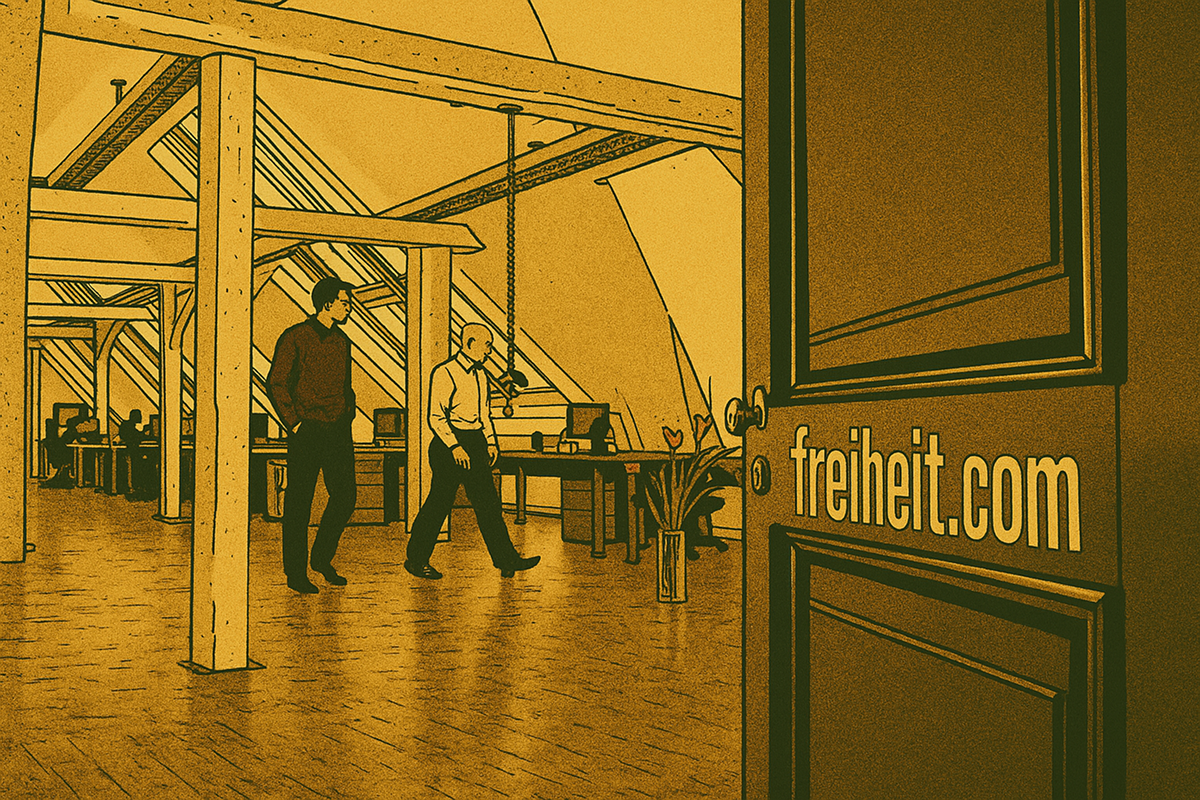
During this time, we moved out of the kitchen into the first office, 111m2. A couple of months later we moved again, this time into a top floor loft and upgraded to 350m2. Tokio Hotel later used this loft as their apartment.
We moved because we kept hiring more engineers, only friends that we already knew and had worked with before – but the digital world felt like it was on hold.
We also knew we needed new clients. We brainstormed, who else is making money on the internet? Amazon were the first ones to sell books online – that worked. Every morning we passed by the large warehouse buildings of Libri, the German book wholesale and distribution company. Claudia called them. Their Internet shop was always down. Never working well. Their multimedia agency wasn’t able to fix it. They asked us to do it. So we did.
2001: Making new friends and clients
After the success of travelchannel.de, another travel site called us, this time from Denmark. KILROY, the international travel agency for young adults with their famous slogan “go before it’s too late”. At first, we didn’t want to do any more travel sites – but they were persistent: “you can’t scare us away” they said.
So we began working together – and the partnership lasted 15 years. During that time, we built their online flight booking systems and integrated them with Amadeus and Sabre, the backbone of the global airline reservation world.
They recommended us to ARK Travel Group from Sweden, who needed a B2B travel-booking system. Their Advisory Board had never heard of us and asked, “Those guys from freiheit.com – are they good enough?” To find out, they sent an expert in high-frequency trading to test us. He sold his trading software to the New York Stock Exchange. During the interview, Stefan quickly became friends with him and even invited him to our legendary Christmas party on December 23rd, 2001.
He showed up and gave a talk about high-frequency trading and low-latency software. He started with, “Even though it’s almost Christmas and I should be with my family, I also love being with people who are just like me.” Then he stayed and danced with us until the early hours of the morning, before he went back to his family in Sweden.
And of course, we ended up building the entire B2B software backend for ARK Travel Group’s booking platform.
Wikipedia launched in the same year. It was one of the first open-edit encyclopedias. This meant that anyone could contribute, and changes appeared instantly. It grew faster than expected and reached tens of thousands of articles within its first year.
By the end of 2001, Wikipedia had already proven that collaborative editing at scale could work. It showed that a large, distributed group of people could build and maintain a knowledge base collectively, without a central authority. That idea was surprising and new at the time, especially in an era when most websites were still static and professionally curated.
2003: We work data-driven
The Spitzer Space Telescope launched in 2003 and basically gave us night-vision goggles into the universe. With infrared eyes, it could see through dust clouds and uncover newborn stars, far-off galaxies, and forming planets that regular telescopes couldn’t detect at all. It revealed an entire part of the universe we had never seen.
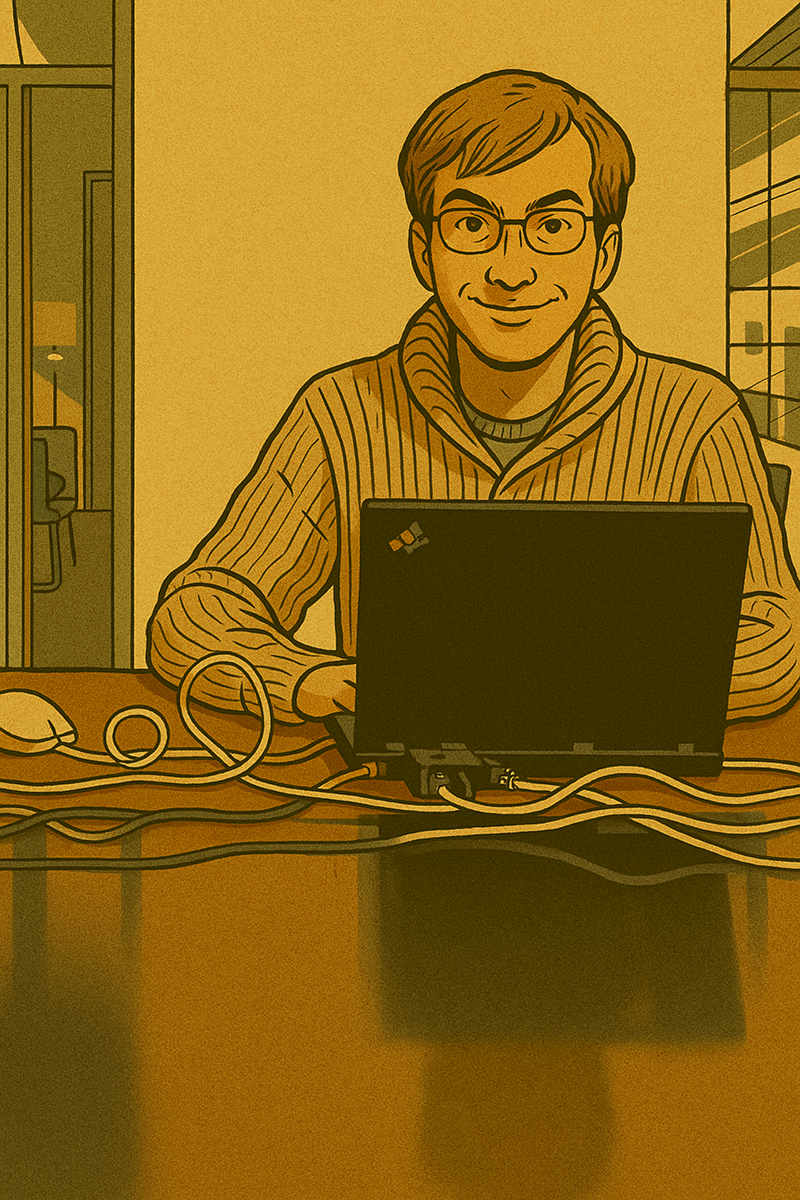
That same year, Philip joined the company. He was still studying computer science at university. He liked his classes, but quickly realized that actual coding was way more fun. So he decided to write his diploma thesis at freiheit.com.
Stefan already had an idea in mind. Since the very beginning of freiheit.com, his dream was to automate project management, ideally with AI. So he asked Philip to build something that would move automated project management forward. Philip loved the idea, especially because it would be his first time working with AI.
At that point, we were already using our project planning tool Captain Feature. Our teams broke their work down into stories, estimated the effort, and later compared the final results. Were the estimates good? Off? What could be improved next time?
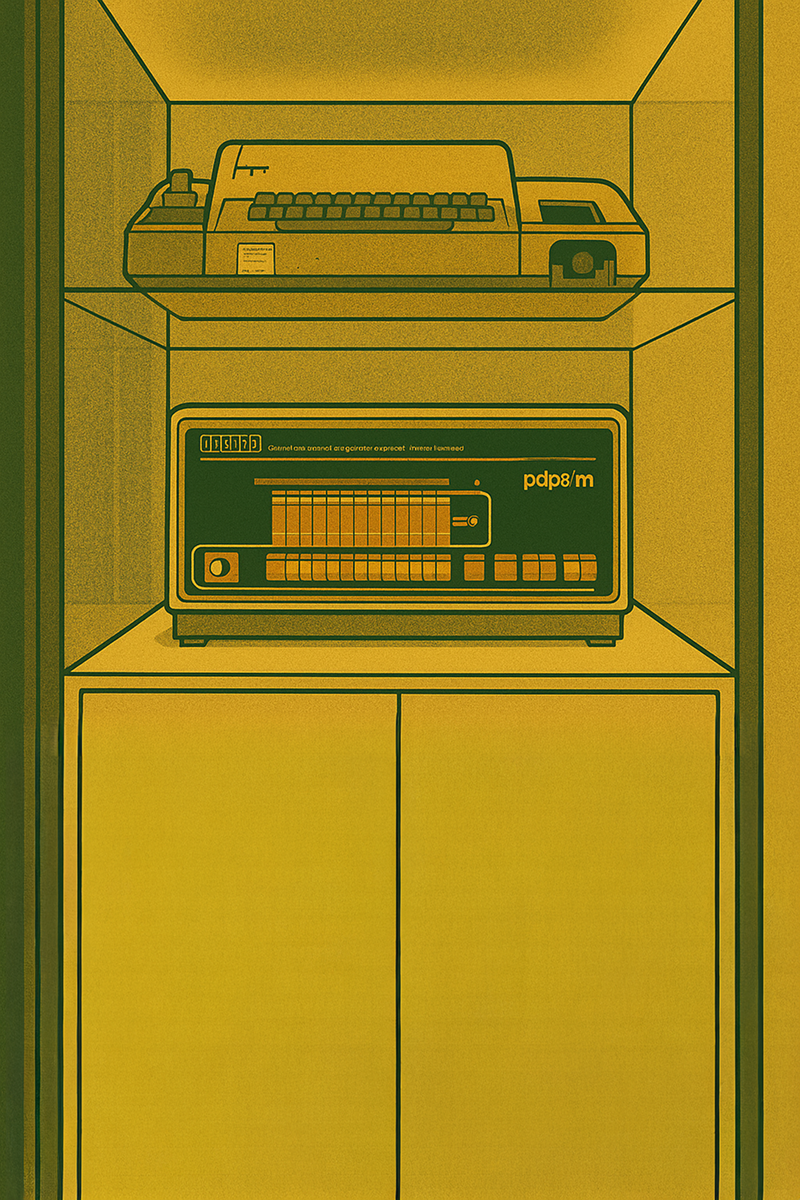
Over the course of his thesis, Philip built an expert system in Prolog, a logic-based programming language used in AI and computational linguistics. The expert system had access to all the data in Captain Feature and could use it to interact with engineers through a messaging platform Philip built just for this purpose. Once live, the system would analyze the planning data, spot anomalies, and tell the engineers what had gone well and what hadn’t in their last iteration.
To make this work, Philip had to feed the system with facts and rules describing how our planning data worked. Every data point had to be explained, and every rule carefully written so the expert system could make meaningful statements about a team’s performance.
This became our very first AI system. Basically we invented the first AI chat bot.
2004: Everyone talked about Web 2.0
In 2004, the web hit a turning point. Until then most websites were static “places” you visited, read, and left. But in that year something new appeared: the idea that the web could be social, interactive, and alive. Facebook appeared in February, at first only for Harvard students, but it spread rapidly because it did something earlier social sites struggled with: it used real identities and made interactions between them possible.
We continued working on e-commerce because this is what we believed in. We worked with book wholesale and retail companies like buch.de, BOL.de and Thalia. And we were right, what started as an early-internet niche transformed quickly into a mainstream expectation. Everyone started to order things online.
Later that year, Stefan began working with Engel & Völkers. We quickly realised together, their core software had to be updated. At their 25th anniversary, they said, “Engel & Völkers will be the new Google of the real estate industry.” So we rebuilt their entire system from the ground up – and added a real search function.
The Spiegel-Verlag also approached us. They wanted to build a social content platform where everyday people could publish their own stories. A space for Zeitgeschichte, created from personal memories rather than journalistic reporting. We built the portal “einestages” for them and launched it a year later in 2007.
It became a curated community for contemporary history, with Spiegel-Verlag editors reviewing and publishing contributions from regular people.
In 2008, it even won the Lead Award for “Web Journal of the Year.”
2007: The release of the first real smartphone
When Steve Jobs released the first real smartphone in 2007, the world changed. When apps became available with it, our phones turned into tools for almost anything – calling a ride, ordering food, watching videos, playing games, and much more. Suddenly, we had the world in our pockets. And of course, we were there.
Stefan was one of the first ones to get his hands on an iPhone in L.A. As soon as he bought it, he went straight to his hotel room and started jailbreaking it. A few hours of coding later, he had it unlocked, popped in his German SIM card, and boom – he could use it at home, too.
Around that time, we also built our flagship mobile app for radio.de – it’s actually still in use today – and a lasting successful business model.
We built many non-mobile things, too. For example, we encrypted data communication for the German Embassies (if we talk about it, we’ll have to kill you 😍), a dating platform and a lottery platform.
2008: The legendary Kamingespräch
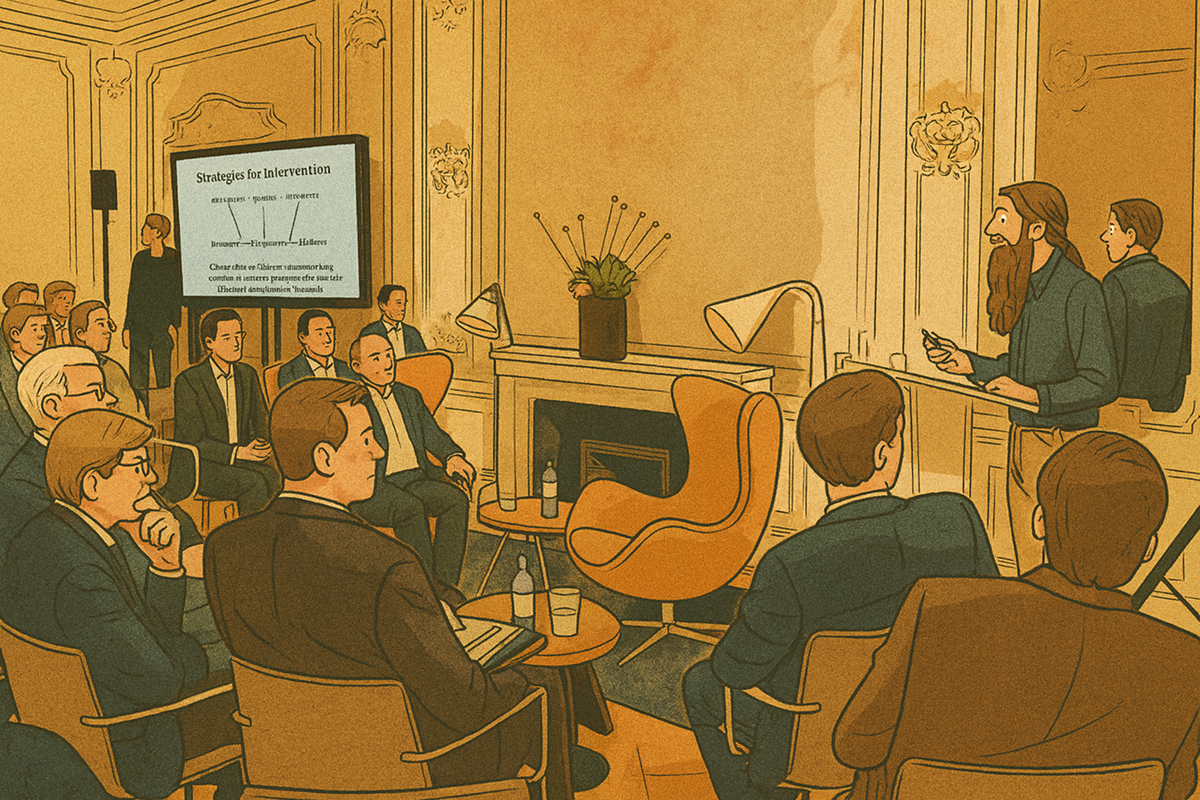
After almost 10 years of freiheit.com, our clients kept telling us, you have such great clients, can’t you bring us all together so we can all meet? They were right. So Claudia started organizing an event that none of us would ever forget. The Kamingespräch 2008.
We planned it for 14 months. Twelve months before the event, we sent out the first invitations to 120 people.
Every invitation looked different. The first one was an engraved wooden cigar box meant to sit on people’s desks. Six months before, the second round went out. And one month before, the final one. Just to make sure that everyone would show up. And – oh boy – they did!
We asked ourselves: What should this event feel like?
We booked an old mansion on the famous Elbchaussee, and for the afterparty the Lagerfeld Villa in Blankenese.
We knew that we wanted to escape our current reality with great people for one evening. We wanted to talk about the future. What will the world look like?
2008 was the year when big things were happening around the world. On September 28, 2008, only one month before the Kamingespräch, SpaceX’s Falcon 1 became the first privately developed, fully liquid-fueled rocket to reach orbit. Until then, only national space agencies had ever done that. At that time, almost no one knew the name SpaceX, and Falcon 1 was just a small experimental rocket a few people were quietly betting on. SpaceX had been founded just six years earlier, in 2002. But that moment showed that the future of spaceflight might come from a private company, not only from governments.
With all of this in mind, we wanted the Kamingespräch to reflect that sense of change.
In the end we decided to invite guest speakers from all over the world to talk about topics that Stefan thought were the most interesting to him:
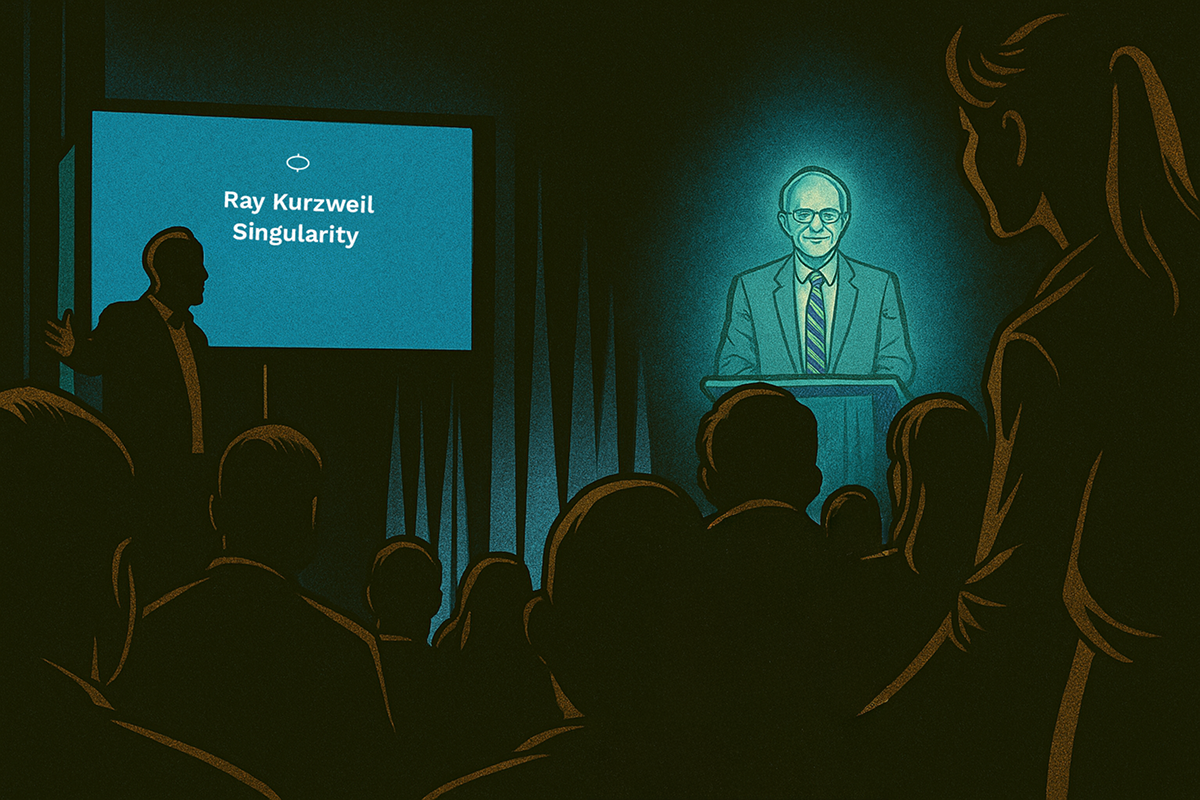
The Singularity and Artificial Intelligence – Ray Kurzweil
Ray is one of the most interesting inventors of our time. In the 1970s, he developed the first practical OCR reader, a device that could scan printed text, recognize it, and read it aloud. This technology enabled Stevie Wonder, for the first time, to read books independently.
Stefan had followed Ray’s work for years, and in 2008, he and Philip attended the Singularity Summit, where Ray spoke. They were the only Germans in the audience, and at that time almost no one in Europe was talking about these ideas yet.
At the Kamingespräch, Ray didn’t appear in person but as a hologram from Boston, almost as if he were standing in the room. In his talk he explained his idea of exponential technological progress and his theory of accelerating returns – the belief that the 21st century will produce more progress than all of human history so far. He also spoke about the moment when machines might surpass human intelligence, a point he calls the Singularity. Back then, very few people believed machines would ever become that smart.
Ending Aging and Longevity – Aubrey de Grey
The next speaker was Aubrey de Grey. He explained his view that aging works like a disease caused by damage in our cells – damage that science might one day reverse. He believes that future medical breakthroughs could extend human life far beyond what we know today, possibly even making aging non-fatal. According to him, the first person who could live to 1,000 years is already alive now.
Virtual Worlds & Personal Fabrication - Prof. Wolfgang Prinz & Dr. Wolfgang Broll
Prof. Wolfgang Prinz and Dr. Wolfgang Broll explored how the digital and physical worlds are drawing closer together. Professor Wolfgang Prinz showed how virtual environments and augmented reality are beginning to blend with everyday life, dissolving the line between the real and the digital. Dr. Wolfgang Broll took this further with the idea of personal fabrication: creating physical objects directly from digital designs through 3D printing.
Our Mission to Mars – Prof. Dr. Jesco Freiherr von Puttkamer
Prof. Dr. Jesco Freiherr von Puttkamer spoke about humanity’s path into space. He is a German engineer who emigrated to the U.S. in the 1960s and worked at NASA for decades. First in Wernher von Braun’s Apollo team, then on Skylab, the Space Shuttle, the ISS, and NASA’s long-term Moon and Mars programs.
He even advised on Star Trek: The Motion Picture and wrote science-fiction stories himself.
At the Kamingespräch, he traced the steps from the first Moon landing to the ISS and then looked ahead to what might follow. He spoke about Mars missions at a time when almost no one was discussing them and explored how future technological progress might shape humanity’s long-term future beyond Earth.
Even after the last talk ended, the conversations continued in every corner of the room.
One potential client, with whom we had been discussing a large project, told Claudia at the end of the event, “One who can organize something like this must be the right partner for us.” Shortly after, we began working with them – and the partnership continued for many years.
People still, to this day, tell us – this event changed their lives – up to even quitting their job and starting their own successful company from scratch.
Maybe we’ll have to do a round two?
2010: Facebook counts 500 million user
When Facebook hit 500 million users, social networks were all the rage. web.de, the German internet portal, wanted a piece of that cake, too. So we started baking the cake together ;) and built their idea of a social network – unddu.de, which translates to andyou.de. We also built a drop-box platform clone for web.de.
This was truly the time of instant messengers. Internal and external. Everyone wanted their own messaging system. We built a B2B messenger for the “Stern” (a German magazine).
Around that time, something else happened. Through our earlier work with Libri, Tchibo got in touch with us. They needed a partner who could rebuild their webshop from the ground up to a system that could handle their weekly changing “Themenwelten” and scale beyond the limits of their old standard solution. We joined their tender, competed against five other companies, and won. In 2010, we launched the first parts of the new webshop in Liechtenstein and Switzerland, followed by the rollout in Germany. What began as a complex core-system replacement grew into a long partnership that would keep us building, improving, and shipping together for years to come.
2011: The world changed and so did we
In 2011, the world was moving fast. Smartphones outsold PCs for the first time and cloud services quietly became part of everyday work. Until then, every company had run its own servers and spent nights fixing machines when they failed. Suddenly, you could rent computing power instantly, deploy new features without waiting weeks for equipment, and work together with people in different cities as if they were sitting next to you.
In July, the Space Shuttle Atlantis lifted off for its final flight. It carried spare parts and supplies to the ISS so the station could keep running after the Shuttle era ended. When Atlantis landed, NASA stepped back and commercial spaceflight stepped in. It was a clear shift: Old systems were coming to an end and new ones were taking over.
This was also the year we started to work in a new industry, banking.
Swiss Life (formerly known as the Schweizerische Lebensversicherungs- und Rentenanstalt) approached Ideo, the inventors of Design Thinking, to create a new kind of savings account. Ideo told them that we were the right partner to build it. Together we developed something that didn’t exist before – a savings account made of separate pockets, each tied to a personal goal: a bike, a KitchenAid, a car.
The Deutsche Bank was looking for a partner who could help them modernize their digital infrastructure, so we built an API with them. Claudia was already part of their advisory board to get the opinions of a leader of a digital technologies company.
2014: Opening our new office in Sankt Pauli
Around 2013 our office in the Straßenbahnring, an old tram factory in the middle of Hamburg, became too small and we didn’t feel like it was the right place for all of us anymore. So Claudia looked all around Hamburg for the best location. We looked at dozens of buildings. But we couldn’t find anything that was unique enough.
Until we found an office building that was still under construction on Budapester Straße, close to the Reeperbahn and in the heart of the St. Pauli neighborhood. It stands on the foundation of an old brothel, a place where one of the most famous shootings between rival gangs had taken place. Right across the street is the Millerntor Stadium, where every FC St. Pauli match begins with “Hells Bells,” and next to it the massive St. Pauli Flak Bunker.
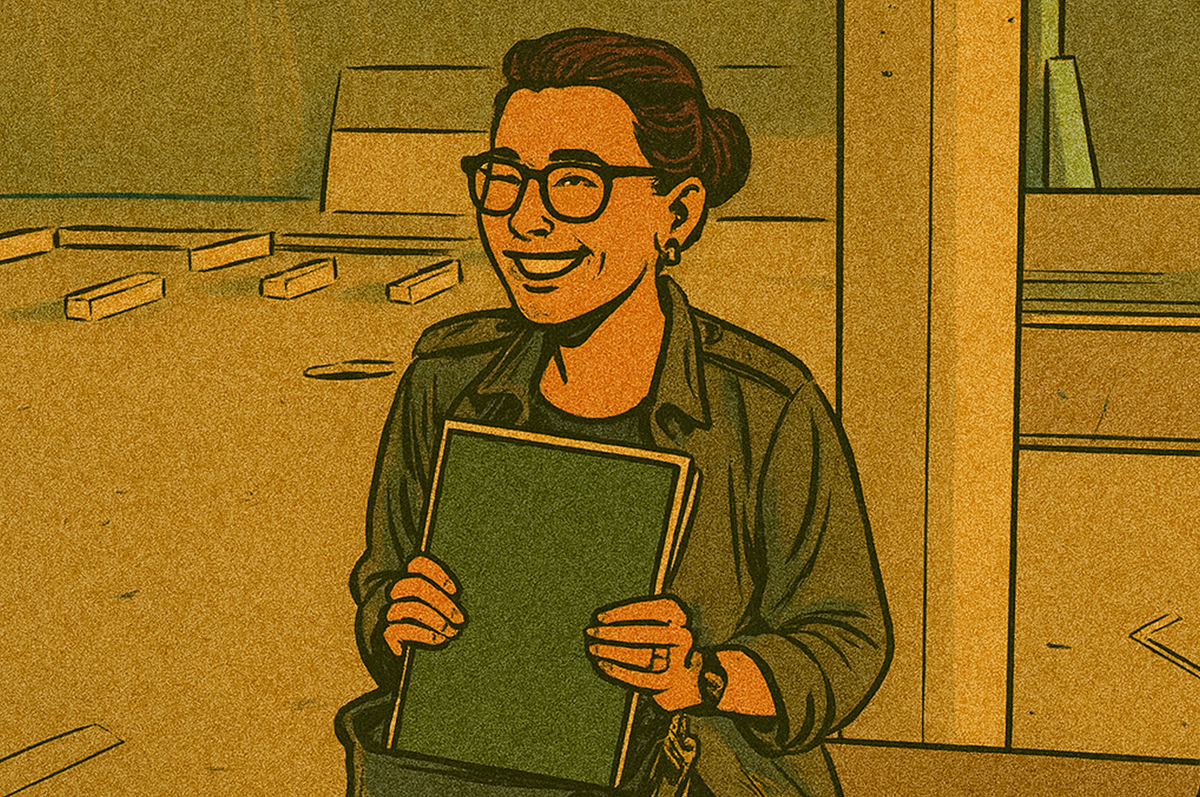
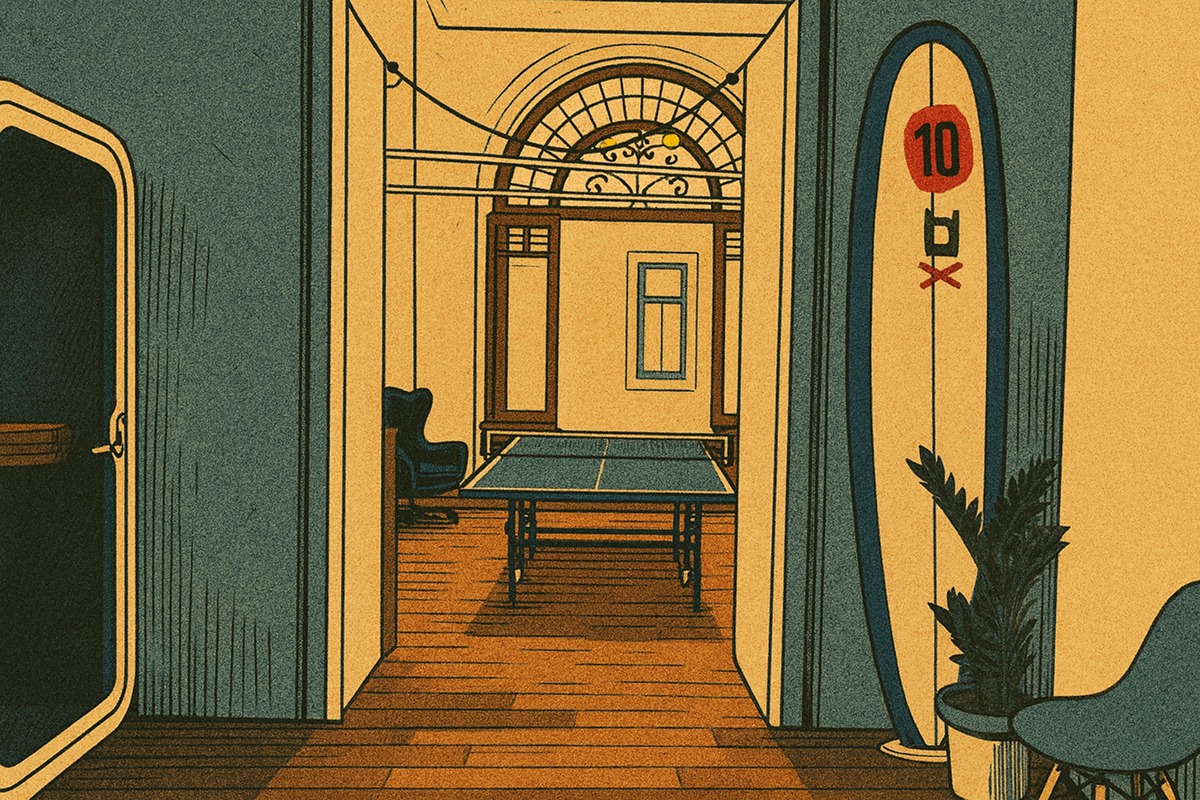
Because the space was still empty, we could turn it into exactly what we needed. For months, Claudia sat with plans spread across the table, discussing how the rooms should work, how the light should fall, and which colors and materials felt right. She picked every detail herself: the ceiling panels, the tinted windows, the carpets, the Herman Miller chairs. We even named the meeting rooms after famous AIs from pop culture: Samantha, Deep Thought, Marvin, and Bender.
We moved in on March 7th, 2014. From that day on, we worked above the roofs of St. Pauli, with the stadium on one side and the harbor wind coming in from the other. Sometimes we see the cruise ship Queen Mary on the horizon. We started with the top three floors and slowly grew our way down, taking over one floor after another.
Around that time many people believed e-commerce was slowing down, but we didn’t. We built a B2B social network connected to Facebook for a major German fashion retailer.
Back then, brands had only one corporate Facebook page. Local stores had no digital presence of their own. So we built a system that created a dedicated “store page” for every single physical location. Customers could follow the exact store they visited every week and see real updates: new arrivals, local sales, restocks, even limited pieces only available in that specific store. It made the chain feel personal again and gave stores a presence online that hadn’t existed before.
2015: Partnering with a global wholesale company
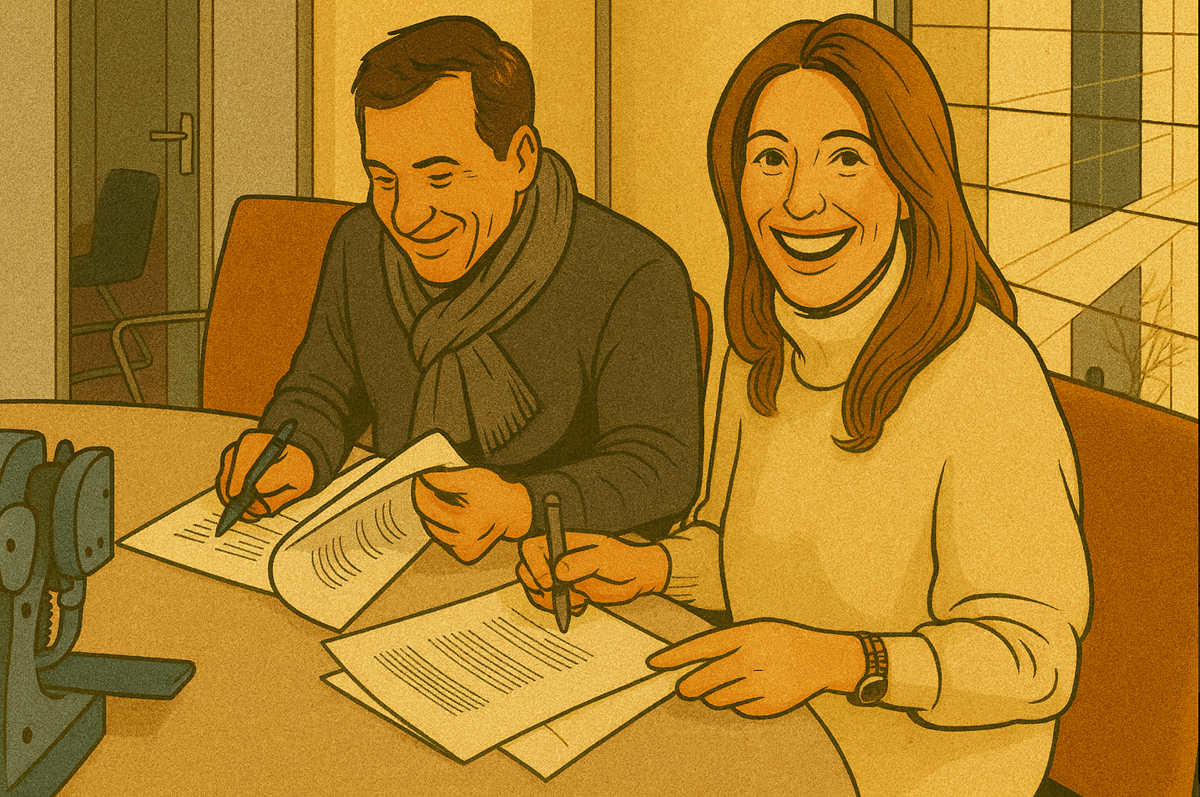
In late 2014, the German wholesale giant METRO was looking for a partner to build a B2B food-delivery platform. We got recommended to them. METRO didn’t have their own engineering teams in Germany, so we took on everything from product management to infrastructure and building a custom software platform for the cloud.
Very early in the project, we faced a decision that would define everything that followed. Kubernetes had just been released in beta. It was new and almost nobody used it in production. Few people knew it. Stefan looked into it and quickly realised, this would be the future.
So we chose Kubernetes as an early-adopter and long before it was the obvious choice. METRO trusted us. They gave us full responsibility for the architecture and their best people to work alongside us. When we went live, Kubernetes had just moved from beta to version 1.0. Our system became one of the first large-scale Kubernetes deployments in Germany.
After this and only twelve months later, we built a platform with hundreds of services and delivered over 5 billion lines of code. METRO moved from release cycles that took months to daily live deployments. The platform still generates more than four billion euros in revenue every year and remains a central part of METRO’s business.
2015 was also the year we launched Revolution, our new project-planning platform. We had outgrown Captain Feature, the tool we built in 2001, and needed something more advanced. Revolution gave us real-time, data-driven forecasts and a digital twin of our entire company, with complete transparency for everyone – right at their fingertips.
Ten years later in 2025, we hosted a METRO family reunion with everyone who had worked with us on this project.
2018: The big move to Lisbon
Claudia always had the dream of taking freiheit.com international. An office in a foreign country, where the sun is always shining and where we can find like-minded people.
So in 2017, we started visiting European cities: Barcelona, Madrid, and Lisbon. We travelled with different groups, and everyone came back with their own impressions: What are the people like? How does the city feel? Are there good universities? Where do people hang out, what do they eat, how do they live? How is the worklife there? Lisbon stood out across all categories. Something about the atmosphere felt familiar to us back home, it was warm, driven, honest, but also ambitious in the way we are. Plus, the engineering talent was great.
Then came the big question: Who do we hire first? And: What kind of office suits us?
Claudia found our first office down by the harbor, and coming from Hamburg, it just felt right. And then we met Guilherme, the first member we hired in Portugal. From the first conversation, it was clear he was a match. After him, more and more engineers joined.
We did everything ourselves in the beginning. Trips to IKEA, carrying furniture up the stairs, assembling tables, choosing the first plant. No office manager. Nobody to outsource things to. It was very hands-on, but that’s how we liked it.
So in 2018, we opened our second engineering hub in Lisbon.
We wanted the office to feel just like our office back from Hamburg, but we couldn’t hire managers on site because they wouldn’t know how we work yet. So we asked freiheit.com engineers from Hamburg to move to the new hub and help build it up. This was not easy – all of the sudden these engineers had to take on a new role and build up a new engineering hub from scratch, but they did it! Claudia lit the fire in the heart of the people in the new hub, she was there two weeks a month.
2018 was also the year NASA’s InSight Lander touched down on Mars. Unlike the rovers exploring the surface, InSight listened to what was happening deep inside the planet. It recorded marsquakes, measured its heartbeat, and gave us the first real picture of what Mars looks like beneath the surface
In 2023, we celebrated 5 years of the Lisbon hub.
In 2024, a newbie we hired in 2018 became the first Lisbon Senior Software Engineer.
In 2025, the hub grew to over 75 freiheit.com members.
We are two hubs but we are one community.
2020: Corona: business as usual?
As you probably remember, in early spring of 2020 the world shut down. When we got the first notifications about the virus spreading no one knew what would happen next and for how long Corona would change our lives. As the cases increased and everything was closing, we shut our offices in March on Friday 13th (ironic, right?). And all of the sudden, everyone was at home, in their rooms.
Because everything on our ends was already cloud based, we were able to adapt our system quickly and started working remotely. It was very normal that companies fired people around that time or put them in short-term contracts. We didn’t. We didn’t miss a single man-day. No one lost their job.
But it was not only about keeping the work up, the people behind the code were just as important. We sent desk chairs to their homes, masks, sanitizer, everything they needed so they were okay. In Lisbon, the lockdown hit especially hard, because of the curfews people couldn’t even leave their house most of the time. We kept the community spirit up, had all-hands meetings every Monday with the whole company and did our best to ensure our members were okay.
And while the world felt like it had come to a stop, some things didn’t pause at all. In May 2020, SpaceX launched the first crewed Dragon capsule to the ISS. Two astronauts left Earth in the middle of a global lockdown. This was the start of commercial human spaceflight. Up there, things were still moving forward. And down here, we kept going too, one day at a time.
During this time, we met a new client in the dental equipment industry that we ended up working with for a few years after, Dentsply Sirona. Stefan talked to their vice president Manfred Müller only over video call for two years. They first met in person in 2022. This was so unusual, we always did everything in person before.
With this project, we moved the software to the cloud and added integrated 3D rendering capabilities. This allows dentists to keep all patient data in a single, centralized location. Dentists and laboratories can now upload, visualize, share, and store patient information directly in the cloud, as well as connect their machines to the platform for a seamless workflow.
Two years later, Dentsply Sirona invited us to Las Vegas for their Dentsply Sirona World 2022 convention, an event that brings together dentists from all over the world. Even Sting, the rock star, performed on stage. Seeing the software we built showcased at a convention in Las Vegas – one larger than two football fields – was truly impressive. We’re still very proud to have been part of the project.
Then Christmas came around. Because we always host a big Christmas party every year with each and everyone, of course this year had to be special, too. But different. We still had to stay away from the office and keep our distance.
So we came up with a plan. We wanted to host a live show, just like on TV. We hired a live band and two of our members became Talk Show Masters for one night. Because the event was digital, we sent everyone a fresh Peking duck to their house – to Lisbon too of course – and had a live cooking session with a Chinese cook. Afterwards we all had dinner together.
Right before Christmas, a group of us dressed up as elves and handed out presents to everyone at different locations. This was all a lot of work of course, but it was worth it.
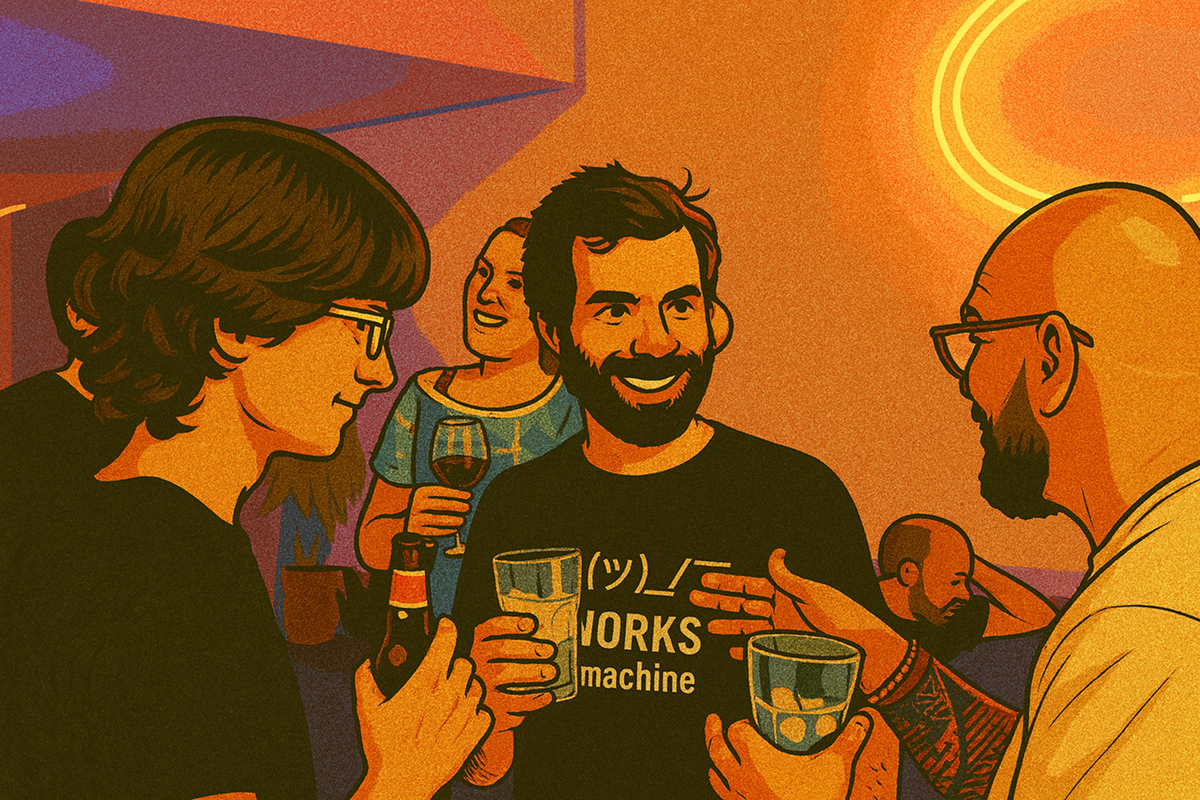
And at the end of the year, we realized: yes, remote work is possible and it works. But you cannot create lasting friendships over video. The moment it was allowed, people came back. Because we simply like being around each other. We missed the small things, saying hi at the coffee machine, catching up over lunch, sharing a beer on the rooftop as the sun went down.
2022: Making mission impossible possible
In 2022, ChatGPT was released, and within days it felt like the whole world was talking to the same new intelligence. For the first time, anyone could open a browser and have a conversation with an AI that remembered context, explained ideas, wrote code, and sounded almost human. It wasn’t perfect, but it was suddenly accessible to everyone. Students, engineers, parents, writers, anyone curious enough to try. What had been research for years became part of everyday life overnight, and 2022 quietly became the year AI entered the mainstream.
What everyone once thought was impossible, became possible.
And our own track record is exactly that: Since 1999, we have made the impossible possible. With a lot of blood, sweat and tears (and data), we earned the reputation that we can turn any software project – no matter how hard – into a success story.
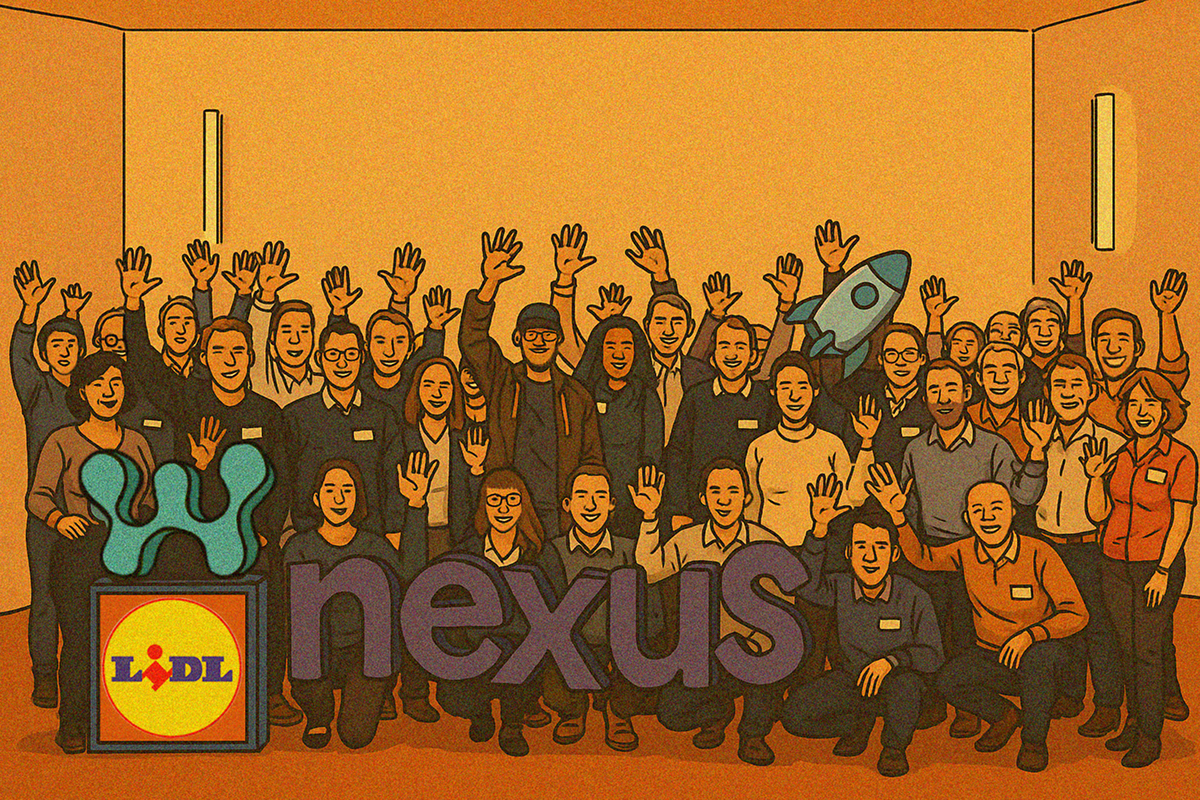
That is why Lidl entrusted us with their largest software project in their own history: The replacement of their most important core legacy system.
Lidl – part of the Schwarz Group and the biggest grocery discounter in Europe – runs on a core system called the WaWi (Warenwirtschaftssystem). This giant software has been moving every item through their warehouses and stores for more than 30 years. It operates in 31 countries, across 280 warehouses, and has over 40,000 people depending on it every day. A few years ago, this system reached its limit. Two big international tech companies had already tried to modernize it together with the Schwarz Group and failed.
One of the board members even said: It’s like we chose to climb Mount Everest.
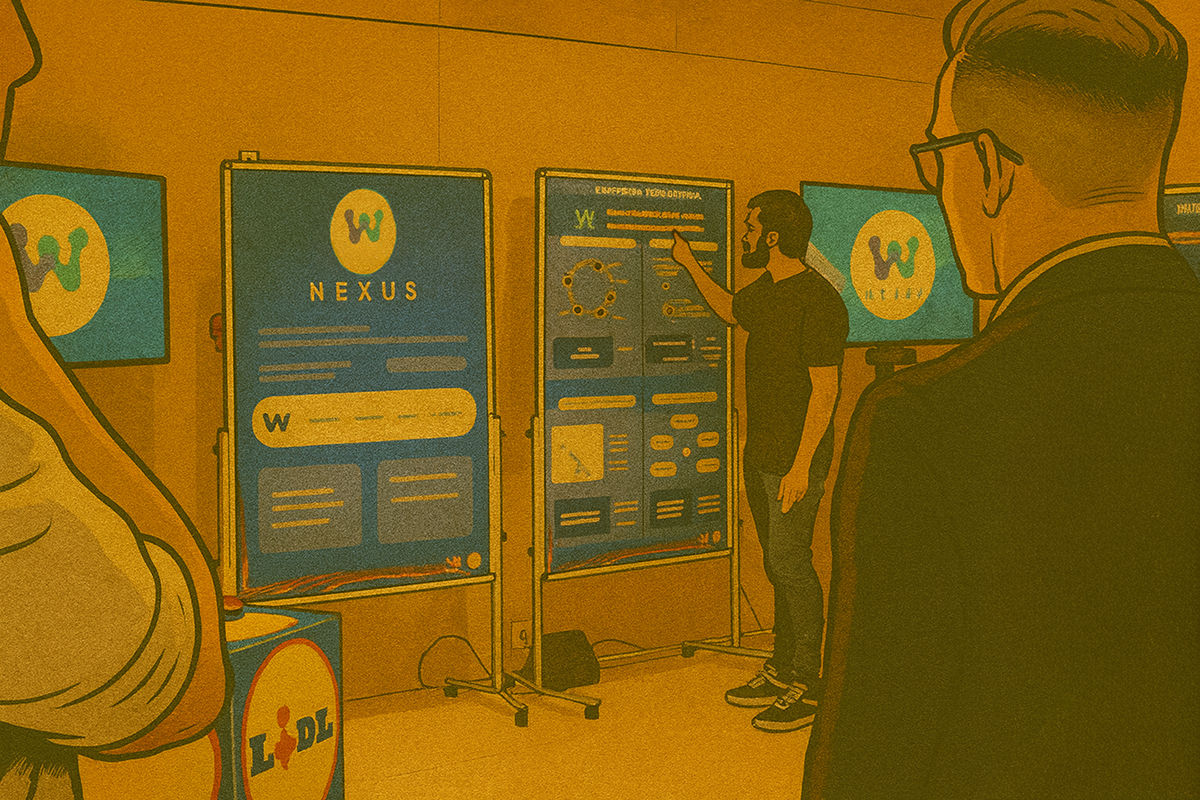
In 2022, the Schwarz Group decided to try again, but with a completely different mindset. They wanted a new start and an engineering partner that had a reliable and proven approach. So they partnered with us. Together we came up with a plan to reduce the complexity of the project in all aspects. Small, efficient engineering teams. End-to-end responsibility for each engineer. Fast decision making within the organization and real-time, data-driven project management.
The WaWi had to be rebuilt while Lidl stayed fully operational – goods still ordered, delivered, moved, sold, and tracked across 12,200 stores. No down time. Additionally, the plan was also to run it on their own cloud data centers. Built and run by STACKIT.
Because we were sure of the success of the project, we started to document it from day one. We produced monthly episodes. Full transparency for everyone involved. That was a eureka moment. We should’ve done this for every project. So we started to do that.
2025: The age of the human
Are we going to be replaced by AI?
For over a quarter of a century, our main aim is to be effective and efficient. We are constantly optimizing ourselves. And when we look inside, we are at a super-high level of efficiency.
But when we look outside, we see many inefficiencies in the world. AI will not remove them. AI will not make an inefficient system automatically efficient.
AI will also not adopt itself in corporations. It always relies on the free will of human beings.
We will need a lot of human ingenuity and sacrifice in the future to create breakthroughs in science, society, and technology.
Clearly, we have found in our company ways to use AI to our advantage and make us more effective, efficient, and to improve quality.
And yet, despite all this technological progress, one truth remains constant: Everything we build begins with humans.
It was humans who invented the wheel, the steam engine, the airplane, and the software systems that run the world today. AI is a tool. It’s powerful and transformative, but still, it was invented by humans.
We believe deeply that humans will not be replaced. Curiosity, creativity, empathy, and the drive to build something meaningful are uniquely ours.
Just as our efforts in automating project management with our data-driven approach will not and cannot replace the friendship and the trust that is needed between humans to charge ahead in a daring endeavor to make the impossible possible.
And it always starts with the question: What do I need to do today to make the impossible possible?